

How to use Neural4D models in Apple Spatial Computing?
Step 1: USDZ Optimization for Apple Vision Pro
Apple's Spatial Computing ecosystem requires the .usdz format for native AR experiences. Unlike traditional 3D formats, USDZ is optimized for zero-time extraction and high-performance rendering on Apple's silicon.
When you export from Neural4D Studio, our system automatically applies Apple-specific optimizations:
| Optimization Feature | Technical Advantage |
|---|---|
| Schema Validation | Ensures your model meets RealityKit's strict material requirements. |
| Normal Map Precision | Converts texture maps to 16-bit to eliminate banding in immersive environments. |
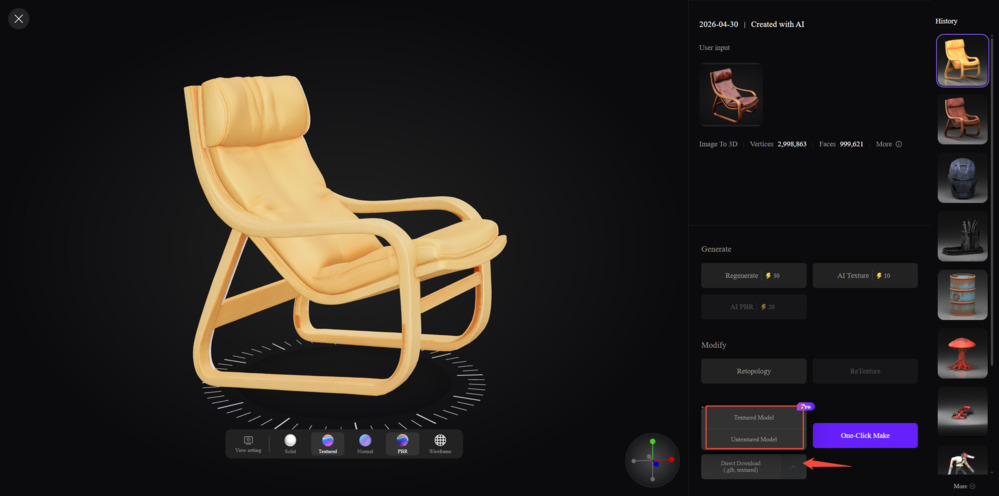
Step 2: Reality Composer Pro Integration
For immersive apps on VisionOS, you must import your assets into Reality Composer Pro. This allows you to add spatial audio, particle emitters, and complex physics behaviors to your Neural4D models.
To enable "Quick Look" previews directly from your website, use the following specialized anchor tag structure:
<a rel="ar" href="models/neural4d_asset.usdz#allowsRemotePlayback=0">
    <img src="previews/spatial_preview.jpg" alt="View in AR">
</a>
This ensures that when a user taps the image on an iPhone or Vision Pro, the model immediately anchors to their physical environment with realistic physics enabled.
Step 3: Managing High-Tension Spatial Performance
Spatial computing demands much higher performance stability than traditional 2D screens. To maintain a steady 90FPS on Vision Pro, follow these Neural4D-validated constraints:
| Constraint | Target Value | Neural4D Automated Solution |
|---|---|---|
| Poly Count | Under 100k | Intelligent mesh decimation for spatial clarity. |
| Draw Calls | < 10 per asset | AI-driven texture atlas packing. |
| PBR Shaders | Physically Accurate | RealityKit-compliant material baking. |
Troubleshooting & Support
Spatial computing is as much about sound as it is about visuals. When placing your Neural4D model in Reality Composer, remember to anchor a spatial audio source to the object's center of mass. This makes the 3D model feel "present" as the sound accurately follows the user's head movements.
Try Neural4D for FreeHave a question or ran into an issue not covered here? Visit our Feedback page and let us know – we read every message.


